Source Handmade Embroidered Mini Sequin Dress for Parties
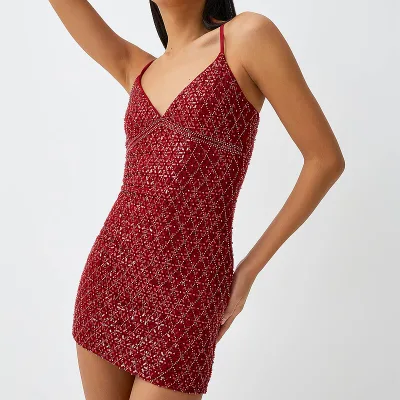
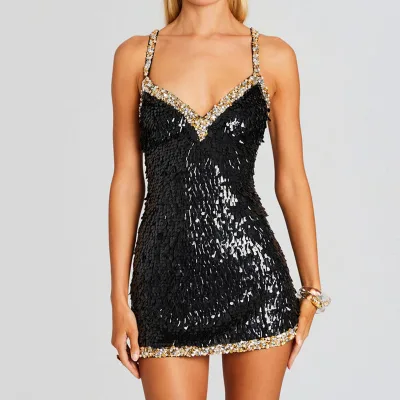
Explore 30 options for the handmade embroidered mini sequin dress, featuring bodycon and A-line silhouettes in polyester. Compare styles like strapless and V-neck designs suitable for club or romantic occasions.
Key considerations
Products List


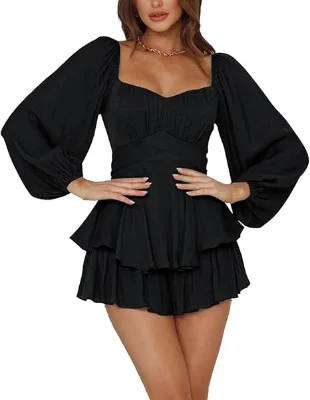
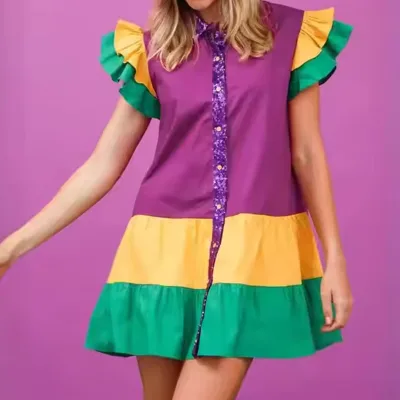


Comprehensive Sourcing Guide
Handmade Embroidered Mini Sequin Dress Sourcing Guide
Sourcing handmade embroidered mini sequin dresses requires a nuanced understanding of the intersection between artisanal craftsmanship and industrial manufacturing capabilities. The term "handmade" in this context often refers to specific decorative techniques such as hand-beading, hand-embroidery, or hand-applied sequins, which add significant value and texture compared to fully machine-produced garments. Buyers must distinguish between true artisanal pieces and mass-produced items that merely mimic handcrafted aesthetics through automated embroidery machines. This distinction is critical for pricing, lead time estimation, and quality assurance, as true handmade elements introduce variability and higher labor costs that are not present in standard factory outputs.
The visual appeal of these garments relies heavily on the interplay between the base fabric and the decorative elements. Common materials include polyester and knitted fabrics, which provide the necessary stretch and drape for bodycon or A-line silhouettes. The use of sequins, rhinestones, and beads creates a high-impact visual effect suitable for party, club, and romantic occasions. However, the durability of these decorations is a primary concern. Loose sequins or poorly secured beads can detach during wear or shipping, leading to customer complaints and returns. Therefore, the sourcing strategy must prioritize suppliers who demonstrate rigorous quality control over the attachment methods of these decorative components, ensuring they withstand both normal wear and the rigors of international logistics.
Product Scope and Observed Listing Signals
Market listings for this category reveal a diverse range of styles, from strapless mini dresses with pencil hems to A-line gowns with V-necks. The observed product attributes indicate a strong preference for slim fits and bodycon silhouettes, which accentuate the wearer’s figure and are particularly popular for evening events and nightlife settings. Colors such as red, navy, and black dominate the market, offering versatile options that can be paired with various accessories. The presence of backless designs and criss-cross details further enhances the sexy and club-oriented aesthetic, catering to a specific demographic that values bold fashion statements.
Supply type signals suggest that many suppliers offer both in-stock items and OEM services, allowing buyers to choose between immediate availability and customized branding. The inclusion of various logo printing methods, such as silk screen, digital printing, and heat-transfer printing, indicates that these dresses can be easily customized for private labels or event-specific branding. Additionally, the availability of different sleeve lengths, primarily sleeveless, and necklines like strapless or V-neck, provides flexibility in design. Buyers should note that while "handmade" is a key descriptor, the underlying production may still involve significant machine work, particularly in the construction of the garment’s base structure.
Technical Specifications to Verify
When evaluating technical specifications, the fabric weight and type are critical indicators of quality and comfort. Observed data points to fabric weights ranging from 180 to 220 grams, which suggests a medium-weight material suitable for maintaining shape without being overly heavy. The use of polyester and knitted fabrics is common, offering breathability and elasticity. Buyers should verify the lining material, as unlined dresses may be less comfortable or transparent, especially when adorned with dense sequin work. The presence of a polyester lining can enhance durability and provide a smoother fit against the skin.
The construction details, including hem shape and silhouette, must align with the intended design. Pencil hems and A-line cuts offer different fits and movements, so buyers should request physical samples to assess the drape and fit. The attachment of sequins and beads is a crucial technical aspect; buyers should inspect the stitching density and the use of backing materials to prevent snagging or detachment. Additionally, the placement of decorations, such as front, back, or sleeve embroidery, should be consistent and symmetrical. Verification of these technical details ensures that the final product meets the expected aesthetic and functional standards.
Compliance and Safety Documentation
Safety and compliance are paramount when sourcing garments adorned with small decorative elements like sequins and beads. These items can pose a choking hazard if they detach, particularly for children’s clothing, although this product category is typically aimed at adults. Buyers should ensure that suppliers adhere to relevant safety standards regarding the secure attachment of such components. Needle detection is a critical quality control step, as broken needles or pins left in the garment can cause injury. Suppliers should provide evidence of rigorous needle detection processes to mitigate this risk.
Environmental and chemical compliance is another important consideration. Buyers should verify that the materials used, including dyes and adhesives for sequins, comply with international regulations such as REACH or CPSIA, depending on the target market. Eco-friendly claims should be substantiated with appropriate certifications or documentation. Additionally, the use of hazardous substances in the production process should be strictly controlled. Buyers should request test reports from accredited laboratories to confirm that the garments meet all applicable safety and environmental standards before placing large orders.
Cost Drivers and Commercial Terms
The cost of handmade embroidered mini sequin dresses is influenced by several factors, including the complexity of the design, the amount of embellishment, and the labor intensity of the production process. Hand-applied decorations significantly increase labor costs compared to machine-applied ones. Buyers should expect higher prices for dresses with intricate beadwork or dense sequin patterns. The choice of fabric and the presence of additional features, such as linings or special finishes, also contribute to the overall cost. Understanding these cost drivers helps buyers negotiate more effectively and budget accurately for their procurement needs.
Commercial terms, including minimum order quantities (MOQ) and lead times, vary among suppliers. Observed MOQs range from 50 to 500 pieces, offering flexibility for both small and large buyers. Lead times can be affected by the customization level and the current production schedule. Buyers should clarify sample order lead times, which may be around seven days, and production lead times for bulk orders. Payment terms, shipping methods, and return policies should also be clearly defined in the contract. Understanding these commercial terms helps buyers manage their inventory and cash flow more effectively.
Supplier Qualification and Quality Control
Supplier qualification is a critical step in ensuring the reliability and quality of the sourced products. Buyers should conduct thorough due diligence on potential suppliers, including verifying their business licenses, production capabilities, and past performance. Site visits or third-party audits can provide valuable insights into the supplier’s manufacturing processes and quality control systems. Suppliers with a strong reputation for producing high-quality embellished garments are more likely to deliver consistent results. Buyers should also assess the supplier’s ability to handle customization requests and their responsiveness to communication.
Quality control measures should be implemented throughout the production process, from raw material inspection to final product packaging. Buyers should establish clear quality standards and inspection criteria, including checks for fabric defects, stitching quality, and the security of decorative elements. Pre-shipment inspections are essential to identify and rectify any issues before the goods are dispatched. Buyers should consider hiring third-party inspection services to provide an unbiased assessment of the product quality. Effective quality control helps minimize defects and ensures that the final products meet the buyer’s expectations.
Long-Term Procurement Checks
Long-term procurement success depends on building strong relationships with reliable suppliers and continuously monitoring performance. Buyers should establish key performance indicators (KPIs) to track supplier performance, including on-time delivery rates, product quality, and responsiveness to issues. Regular communication and feedback loops help maintain alignment and address any emerging problems promptly. Buyers should also stay informed about market trends and consumer preferences to ensure that the sourced products remain relevant and competitive. Adapting to changes in design, materials, and production techniques is essential for long-term success.
Sustainability and ethical sourcing are increasingly important considerations for modern buyers. Buyers should evaluate suppliers’ commitment to ethical labor practices and environmental sustainability. Certifications such as Fair Trade or GOTS can provide assurance that the products are sourced responsibly. Buyers should also consider the lifecycle of the products, including their durability and recyclability. By prioritizing sustainability and ethical sourcing, buyers can enhance their brand reputation and meet the growing demand for responsible fashion. Continuous improvement and adaptation are key to maintaining a competitive edge in the dynamic fashion market.
FAQs
What materials are used for the handmade embroidered mini sequin dress?
The dress is made from polyester fabric with a knitted fabric type. It features a polyester lining and weighs approximately 180 to 220 grams depending on the specific style. This material selection ensures durability while maintaining a comfortable fit for various occasions.
Can I customize the logo placement on the mini sequin dress?
Yes, you can customize the logo placement on the front, back, sleeves, lower hem, or back neck. The available printing methods include silk screen, digital, silicone, heat-transfer, embroidery, puff printing, flock print, and embossing. This allows for flexible branding options to suit your specific design requirements.
Which sizes are available for the handmade embroidered mini sequin dress?
The dress is available in standard sizes S, M, and L. It features a slim fit with a natural waistline and a pencil or A-line silhouette. The length is designed as mini or above knee, making it suitable for party and club occasions.
How long is the sample order lead time for this dress?
The sample order lead time is supported within 7 days. This quick turnaround allows buyers to evaluate the quality and design before placing larger orders. The product is listed as an in-stock item, which may further expedite the initial sourcing process for immediate needs.
What decoration techniques are used on the handmade embroidered mini sequin dress?
The dress features sequined, diamond, beading, and embroidered decorations. Specific techniques include beaded work, sequin embroidery, and rhinestone application. These elements create a glamorous look suitable for romantic, casual, or sexy club styles while maintaining a breathable and eco-friendly fabric composition.
Which colors are available for the mini sequin dress?
The dress comes in Red, Navy, and Black color options. These classic colors are versatile for various party and seasonal events. The fabric is knitted polyester, ensuring the colors remain vibrant while providing a comfortable fit for all seasons including winter, summer, spring, and autumn.